At 2:35 AM, Karina Larkin is awake in the way people become awake when something inside them has already stood up and gone to the window. The house is quiet but not asleep. It breathes the low, familiar breaths of waiting—floorboards holding memory, walls keeping secrets, the refrigerator humming like a promise it never finishes. Outside, the streetlight paints the living room in pale gold, and dust drifts through it like slow snowfall. Karina sits at the edge of the couch with her feet tucked under her, hands wrapped around a mug that went cold an hour ago, listening for a sound she has been rehearsing for six months.

Six months is long enough to learn the weight of absence. Long enough for mornings to stretch and evenings to fold in on themselves. Long enough to discover which corners of a room collect loneliness and which ones refuse to let it stay. When he left, she told herself she would be brave in practical ways—pay the bills on time, water the plants, answer questions with calm certainty. She did all of that. What she did not plan for was how love behaves when it is asked to wait. How it paces. How it sharpens. How it grows more articulate with every quiet night.

She checks the time again. 2:35 AM. The numbers glow like they know something she doesn’t. The hours since midnight have been a soft procession of memories: the way his jacket always smelled like outside, the way he reached for her hand without looking, the way he said goodbye at the airport like it was a comma instead of a period. Six months ago, she stood in a crowd of departures and told herself that love could survive distance if it had somewhere to land when it came home.

Karina learned to mark time by small rituals. Coffee brewed for one. Two plates taken down, then one put back. The way the bed insisted on the shape of him long after it should have let go. She learned the sound of her own footsteps at night, the creak near the hallway that always startled her even though she expected it. She learned that courage sometimes looks like staying soft when it would be easier to harden. She learned that longing can be gentle, that it can sit beside you like a cat, purring, insistent, refusing to be ignored.

At 2:35 AM, a car passes too slowly. She lifts her head. The sound fades. Her heart settles back into its practiced rhythm. She exhales and laughs quietly at herself, a sound she has made many nights now. Hope, she has discovered, is a muscle. Use it too much and it aches. Don’t use it enough and it forgets what it’s for.

She remembers the first week he was gone, how she kept the lights on too late, how she filled the silence with television she didn’t watch. She remembers the second month, when the ache dulled into something manageable, something she could carry without announcing. She remembers the fourth month, when she found herself smiling at his name on her phone without checking the time, when absence had stopped being an emergency and started being a condition. Through it all, she kept a careful ledger of moments she would tell him about when he returned—how the neighbor’s dog learned to open the gate, how the old oak dropped a limb in a storm, how she fixed the sink herself and felt impossibly proud.

She checks the time again. Still 2:35 AM. The clock does that sometimes, holds a minute like it wants to feel important.

Karina rises and walks to the window. The street is empty, expectant. The moon hangs low, unembarrassed by its own brightness. She presses her forehead lightly against the glass and lets herself imagine him driving through the last miles, hands familiar on the wheel, thoughts finally allowed to arrive where his body is going. She imagines his smile, the one that starts on one side first, the one that always made her feel chosen even before he said anything. She imagines the weight of him crossing the threshold, how the house will recognize him before she does.

Six months ago, they made promises that were practical and unromantic. Call when you land. Text when you can. Don’t forget to eat. They didn’t say anything about rings or kneeling or forever because those words felt too fragile to ship across oceans and job sites. They trusted the quieter vows—the ones that survive weather and time zones, the ones that show up even when no one is watching.

A sound interrupts her imagining. Not loud. Not dramatic. Just a car door closing with the unmistakable certainty of arrival. Karina’s heart leaps, stumbles, rights itself. She does not run. She walks, because this moment deserves steadiness. The front door opens, and there he is, framed by the night he has finally finished traveling through. He looks thinner, older in the eyes, more himself in the way people become when they have been tested and returned intact.

They do not speak right away. They step into each other as if gravity has been rehearsing this reunion since the day he left. His arms feel exactly right, exactly remembered. Her face fits against his chest like it was designed with this purpose in mind. She breathes him in—road, work, the faint echo of places she has never been but knows intimately through his voice. The house exhales with them.

“It’s late,” she says, because someone has to say something, and because time has taught her to respect itself.

“I know,” he says, smiling into her hair. “I tried to hurry.”

They pull back just enough to look at each other, to confirm what touch already knows. His hands are warm. His eyes are wet in the way that suggests gratitude rather than sadness. He sets his bag down like it no longer matters, like the life he carried away has been successfully delivered and signed for.

They sit on the couch, the same one she has kept her company for half a year. He notices the mug, cold and abandoned. He notices the way she has changed her hair, the way she carries herself now. She notices the new lines at the corners of his mouth, the confidence that comes from surviving something difficult without becoming bitter. They talk in short bursts at first—safe details, familiar ground. How was the flight. How was the drive. Did you eat. Each question is a bridge, each answer a step closer to something larger.

At 2:35 AM, he reaches into his jacket pocket and pauses. Karina feels the air shift before she understands why. He looks at her with a seriousness that has been earning its place for months. He takes her hand, the left one, the one that has reached for him across continents without knowing it was practicing.

“I didn’t plan to do this tonight,” he says, and she knows immediately that this is not true in the way people say things to give themselves courage. “I wanted to wait until morning. I wanted it to be perfect.”

She smiles, because perfection has never been their language. She squeezes his hand, because some truths need encouragement.

“I spent six months thinking,” he continues. “About work, about distance, about what it means to come back to someone and feel like you’re coming home. I thought about the nights you stayed up, the mornings you handled alone, the way you made space for me even when I wasn’t here to fill it.”

He reaches into his pocket again and this time does not hesitate. The box is small, almost shy. He opens it with care, like he is handling something alive. The ring catches the light from the streetlamp and throws it back in a way that feels intentional, as if even metal understands ceremony.

Karina’s breath leaves her all at once. The room tilts, steadies. She feels the weight of six months compress into a single moment that asks to be answered. She thinks of the nights she went to bed early because hope was exhausting. She thinks of the mornings she woke up proud of herself for making it through another day. She thinks of the love that waited with her, patient and uncomplaining.

He lowers himself to one knee, not because tradition demands it, but because gravity does. Because some questions carry enough meaning to pull the body toward the ground.

“Karina Larkin,” he says, and the sound of her name in his mouth feels like a blessing. “Will you marry me?”

Time does something strange at 2:35 AM. It widens. It softens. It gives her room to feel everything without rushing her through any of it. She laughs first, because joy needs a release. Then she cries, because relief has been waiting a long time to speak. She nods before she answers, because her body has already decided.

“Yes,” she says, finally, clearly. “Yes. Of course.”

He slides the ring onto her finger, and the fit is exact in the way things are when they have been imagined enough times. He stands and pulls her into him, and they hold each other like people who have crossed something wide and lived to tell about it. The house watches. The streetlight approves. The clock blinks and moves on, satisfied.

Later, much later, they lie in bed and talk in the low voices of people who do not want to wake the future too soon. They plan nothing and everything. They laugh about how tired they are. They marvel at how simple it feels now that the hardest part is over. Karina traces the ring with her thumb, learning its presence, its promise. She thinks of all the nights that led here, all the waiting that turned out to be a kind of preparation.

At 2:35 AM, Karina Larkin learned that love does not waste time. It uses it. It stretches it. It asks it to carry meaning until meaning is ready to arrive. She closes her eyes with his arm around her and feels the quiet certainty settle in. The long night is over. Morning can take its time.


My books are available here .
The bar breathes like an old animal—slow, practiced, familiar with survival. Not alive in any holy sense, just functional. Lights dim enough to forgive faces. Music limps between songs. The floor remembers every spill better than the people who caused them. This place doesn’t ask why you came in. It already knows.

Maynard Wells sits three stools from the end. He learned long ago that the end is a confession and the middle is a lie. He chooses the space where no one expects anything from him. His glass is whiskey because whiskey doesn’t pretend to be anything else. He didn’t need it. That never stopped him before.

Mara works the bar like a priest without absolution. She slides napkins under glasses the way you might tuck dirt over a grave—neat, respectful, temporary. She doesn’t ask Maynard how he’s doing. That’s how he knows she sees him clearly.

To his left, a couple dismantles their life in whispers. The dangerous kind—the kind sharpened over weeks. They smile for the room, but their eyes don’t participate. The man worries the rim of his bottle like it might answer back. The woman studies her drink as if it owes her instructions. Maynard doesn’t know their names, but he knows the posture of people realizing love has become labor.

Across the room, laughter blooms too loud and too fast. A cluster of friends leaning into one another, pretending gravity hasn’t started its work yet. One of them—red jacket, restless hands—keeps checking his phone. Waiting. Everyone here is waiting. They just use different excuses.

Loneliness doesn’t announce itself. It sits down beside you like it’s always belonged there. Orders what you’re already drinking. Says nothing. Maynard respects that. Silence, at least, doesn’t argue.

He tells himself he came here to write. That’s the version he prefers. The truth is messier: he came to be seen without being known. There’s a notebook in his jacket, thick with intention, thin with follow-through. It weighs enough to feel like hope without demanding proof. Writers carry notebooks the way some people carry prayers—unspoken, unfinished, still believed in.

The man at the end of the bar breaks open mid-sentence, spilling a story about a job lost or abandoned. The details shift, but the injustice remains solid. He gestures at empty air, arguing with something that left him years ago. No one interrupts. That’s the rule here. You let people speak until they’re done bleeding.

Maynard wonders what would happen if he spoke. If the truth would come out as poetry or complaint. If it would sound brave or just tired. There’s comfort in staying quiet. Quiet doesn’t get corrected.

Memory shows up wearing a familiar face. Orders the drink she used to love just to see if it still hurts. It does. She believed places like this were confessionals. Said you could hear the truth in how people ordered—neat if they were hiding, on the rocks if they were stalling, cheap if they’d already surrendered. She laughed with her whole body. Leaned in when she talked. Made strangers feel chosen. Maynard loved her for that. Hated himself for needing it. They were good until they made a sport out of wounding each other.

A song everyone knows finds its way out of the jukebox. Heads nod. Someone hums. For a brief moment, the room aligns—strangers stitched together by a chorus that once meant something in another life. Bars are good at compressing time. You can be young and old and heartbroken all at once if the music hits right.

Maynard writes: The mask slips here, but no one notices because everyone is busy adjusting their own. He doesn’t fix it. Overwriting feels like fear.

The door opens. Cold air follows a man who looks like he’s already lost something tonight. He orders a double without looking. Scans the room for a reason to stay. Doesn’t find one. Sits anyway.

Hope is quieter than people expect. It doesn’t shine. It doesn’t ask. It sits in the corner pretending it’s fine either way. Hope has learned manners.

The couple beside him stops whispering. The silence is surgical. The woman delivers a sentence she’s been sharpening for weeks. Clean. Accurate. The man nods like gravity has finally won. They don’t touch. That’s how you know something is finished—or close enough to mourn.

Mara wipes the bar, listening without collecting. Maynard wonders how many versions of the same story she’s heard. People explaining their loneliness as if it needs justification. As if it isn’t just another weather pattern.

He drinks. The burn proves he’s still capable of feeling something sharp. The glass leaves a ring on the bar—evidence that will be erased without ceremony. There’s a lesson there. He ignores it.

The red jacket starts talking about meaning. About how everyone is just trying to be less alone. His friends nod like this speech has been rehearsed in a hundred bars. He means it, though. Meaning doesn’t require originality. Just sincerity.

Maynard writes again: Loneliness isn’t the absence of people. It’s the absence of recognition. That one stays.

A siren passes outside, distant but insistent. The world hasn’t stopped just because they needed a pause. Inside, last call looms. The room groans. No one is eager to return to what’s waiting beyond these walls.

The man at the end pays, tips heavy like an apology, and stumbles toward the door. For a moment, Maynard worries about him. Then he remembers: everyone makes it home somehow. Or they don’t. Worry doesn’t change the math.

He thinks about who he’ll be tomorrow. Which stories he’ll tell. Which ones he’ll bury. This night will shrink into something manageable—a glass, a song, a feeling he never quite named. He’ll describe the bar someday and leave out the important parts because they’re too quiet to explain.

Maynard closes the notebook. Some moments don’t want to be captured. They want to be endured. He pays, thanks Mara, means it. She nods, already turning toward the next confession.

When he stands, the room tilts—not from the drink, but from the weight of everything unsaid. Outside, the street is colder and more honest. Neon buzzes behind him like a dare. He pulls his jacket tight, the notebook warm against his chest, and walks on.

This kind of night doesn’t stay behind when you leave.

It follows you.


My books are available here .

Once upon a fearful morning the light crept in like it had something to apologize for, thin and pale, as if even the sun had grown tired of announcing itself. I lay awake, not because I wanted to, but because sleep had finally decided it was done pretending to care about me. The ceiling stared back with that familiar indifference, the kind you learn from years of being misunderstood by people who claim they know you best. Somewhere, a clock ticked with the arrogance of certainty, each second convinced it mattered more than the last. This is how the lullaby begins—not with comfort, not with warmth, but with the quiet realization that consciousness is a debt that keeps compounding.

I used to believe mornings were promises. I used to think the day was a clean page, waiting patiently for the pen of intention. But pages stain easily, and intention is often just desire dressed up for an interview. Now, mornings feel like interrogations. The light asks me what I plan to do with the damage I’ve accumulated. The air asks why I’m still breathing it. Even the floor, cold and honest, asks me to justify standing. I answer none of them. I shuffle through the ritual instead, because routine is the closest thing to mercy a jaded mind can still trust.

This poem is not meant to soothe you. It is meant to hum quietly in the background, like a refrigerator in an empty apartment, reminding you that something is still running even when nothing feels alive. That’s what a lullaby becomes when you’ve outgrown sleep—less a song, more a mechanism. Less melody, more survival. I hum it to myself while brushing my teeth, while staring into a mirror that keeps aging faster than my memories. The mirror knows things I refuse to admit. It knows how many dreams I’ve folded neatly into excuses. It knows how often I’ve called surrender “acceptance” because it sounded more mature.

I learned early that hope is a beautiful liar. It speaks softly, wears the right expressions, tells you to wait just a little longer. And you do. You wait through relationships that hollow you out, through jobs that teach you the price of your time, through nights where silence becomes loud enough to bruise. Hope doesn’t leave when it’s done with you—it stays, perched on your shoulder like a smug witness, reminding you of everything you believed it would fix. That’s when cynicism arrives, not as a villain, but as a tired friend who brings coffee and tells you the truth without poetry.

Still, I write. That’s the joke. I write knowing words are inadequate, knowing metaphors don’t pay rent, knowing poems won’t resurrect the parts of me that learned how to disappear. I write because it’s the only place where my contradictions are allowed to sit at the same table without fighting. On the page, I can be gentle and bitter, hopeful and exhausted, loving and resentful—all at once. The world demands coherence. Poetry lets me fracture honestly.

There was a time when love felt like discovery. Every touch was a revelation, every promise felt hand-written by fate. Now love feels more like negotiation. Terms and conditions apply. Trauma sits between two people like a third body, listening carefully, taking notes. I’ve loved deeply enough to know how dangerous it is, and lost deeply enough to understand why people build walls and call them boundaries. The lullaby I sing myself now doesn’t promise forever. It promises survival. It says: rest if you can, leave if you must, and don’t romanticize the wounds that almost ended you.

Night used to scare me less than morning. At night, expectations sleep. The world dims its demands. Failure feels postponed. But even night has learned my name. Insomnia arrives like an uninvited editor, revising my past, highlighting mistakes, circling moments I thought I’d buried. I replay conversations with alternate endings. I apologize to people who no longer exist in my life. I argue with ghosts and lose every time. This, too, becomes part of the lullaby—the rhythm of regret, the chorus of what-ifs, the bridge made entirely of silence.

If you listen closely, you can hear the city breathing through my window. Sirens in the distance, laughter that doesn’t belong to me, engines rushing toward somewhere important. The world keeps moving with or without my participation. That knowledge used to terrify me. Now it almost comforts me. There is relief in irrelevance. There is peace in knowing I am not required to save anything today. The poet is not a hero. The poet is a witness, sometimes unreliable, often exhausted, always trying to translate feeling into something that won’t evaporate by morning.

I have been called jaded like it was an insult, as if awareness is a flaw. But jade is stone. It survives pressure. It remembers heat. If I am jaded, it is because I have been shaped by impact. I have learned to distrust shiny answers and loud certainty. I have learned that people who speak in absolutes are often hiding from their own doubt. The lullaby I sing is cautious, yes, but it is honest. It doesn’t promise that everything will be okay. It promises that you will feel everything—and live anyway.

Sometimes I miss who I was before the disillusionment, before the carefulness, before the weight. But I also know that version of me would not survive what I know now. Innocence is not bravery; it is simply untested. I have been tested. By loss. By love. By time. By the slow erosion of expectations. And still, I wake up. Still, I write. Still, I look for meaning in the small things: the way coffee warms my hands, the way a sentence finally lands, the way music can briefly rearrange the furniture in my chest.

This poem rocks itself back and forth, not to sleep, but to endurance. It says: close your eyes if you need to, but keep one part of yourself alert. The world is not gentle, and neither are you required to be. You are allowed to be tired without being finished. You are allowed to rest without giving up. The lullaby does not judge. It only repeats what you need to hear until you believe it, or at least until the morning quiets enough to be tolerable.

Once upon a fearful morning, I learned that fear does not disappear when you name it. But naming it gives you something to hold. Words are handles. Poems are containers. I pour myself into them so I don’t spill everywhere else. This is not healing in the cinematic sense. There is no swelling music, no final revelation. There is just the steady act of staying. Of breathing. Of writing another line even when the last one didn’t save you.

If this lullaby reaches you, let it sit beside you. You don’t have to sing along. You don’t even have to like it. Just know it was written by someone who has stared at the ceiling and felt the weight of waking up. Someone who understands that being jaded is not the absence of feeling, but the evidence of it. Someone who keeps writing anyway, not because it fixes things, but because it reminds him he’s still here.

And when sleep finally comes—uneven, undeserved, brief—let it. Let the world blur at the edges. Let the fear loosen its grip. The lullaby will keep humming, low and patient, waiting for the next morning, fearful or not.


My books are available here .

I want to die on my birthday, not because I hate living, but because I am tired of the arithmetic of it, the way years stack like unpaid bills, the way candles turn into tiny interrogations asking what I did with the light. On that day the calendar claps, people text confetti, and I feel like a guest of honor at my own inquest, smiling while the room waits for a speech I never practiced. Birthdays pretend to be doors; mostly they are mirrors, and I am sick of learning my face by surprise.

I want to die on my birthday the way a song wants to end on its own chord, not dragged into an encore by polite applause. I imagine the cake sweating sugar, the knife clean and ceremonial, the wishes folding themselves into paper boats that refuse to float. I imagine the room forgiving me for leaving early, the clock loosening its grip, the candles admitting they were tired too. This is not a plan, it is a metaphor I keep touching like a bruise to see if it still hurts.

Every year arrives with a receipt. It itemizes mistakes, discounts the miracles, charges interest on love. I have learned how to carry gifts with one arm and grief with the other, how to say thank you while inventorying exits. The party hats fit like borrowed confidence. Laughter behaves, obedient as a trained animal. Inside me, something feral circles the truth, asking whether survival is a habit or a choice.

If I could choose the ending, I would choose a quiet that knows my name. I would choose to lay down the weight of being seen, the exhausting labor of translation between who I am and who I perform. I would choose to stop proving endurance is a virtue. The body keeps score, they say; mine keeps ledgers, tallies nights slept in pieces, mornings stitched together with coffee and resolve.

Still, birthdays are stubborn. They keep showing up with balloons like minor gods, insisting on witness. Friends insist too, their hands warm, their eyes unsolved. Love is an interruption I never schedule but always answer. It knocks with groceries and bad jokes and the audacity to believe tomorrow is not a trap. Sometimes I let it in. Sometimes it stays.

So if I say I want to die on my birthday, hear the grammar beneath it. I want an ending that listens. I want the counting to stop hurting. I want to blow out the candles and not be afraid of the dark that follows. I want to live long enough to learn another language for staying, one where the date on the cake is not a verdict but a comma, and the sentence keeps breathing. Maybe the wish is simpler: to be held without a stopwatch, to be celebrated without being measured, to be allowed a softness that does not require proof. Maybe the wish is to keep arriving, quietly, without fireworks, learning how to stand in the year like weather, changing, survivable. If there is a gift, let it be this: another breath that does not owe anyone an explanation, wrapped, opened, kept.


My books are available here .

I think I am done, not in the dramatic way doors slam or glasses shatter, but in the quiet way dust settles after everyone leaves the room and the echo finally gets tired of hearing itself. I say it while staring at a wall that has heard every promise I ever made and never once held me accountable for breaking them. The sentence feels unfinished, like a chair missing a leg, but I sit in it anyway and wait to fall.

I think I am done chasing versions of myself that only exist at 2 a.m., the ambitious ghost, the healed future, the man who knows exactly what to say and never says it too late. I am done apologizing to mirrors, done negotiating with mornings, done pretending exhaustion is a personality trait instead of a warning sign. Even my breath sounds relieved, like it has been carrying something heavy for miles.

I have tried to quit before. I quit love in lowercase letters, quit faith on weekdays, quit hope whenever it became inconvenient. I packed up my convictions in cardboard boxes labeled “maybe later” and stacked them in the corner of my chest. Sometimes I opened one just to make sure they were still breathing. They always were, stubborn as weeds.

I think I am done mistaking survival for success. Done clapping for myself just because I stayed standing. There is a difference between being alive and being present, and I have lived most of my life like a voicemail no one deletes. I keep replaying old messages, listening for a version of me that sounds convinced.

The world keeps asking what’s next, as if I owe it a sequel. As if stopping is a failure instead of a skill. I want to tell them I am not ending, I am pausing, like music between tracks when the silence is part of the art. I want to learn how to rest without guilt, how to be unfinished without feeling broken.

I think I am done bleeding for proof. Done turning pain into poetry just to make it respectable. Some wounds don’t want metaphors, they want time, and time has been knocking patiently while I kept writing excuses on the door.

If this is the end, it is a soft one. No fireworks, no funeral. Just a man setting down what he can no longer carry and realizing his hands still work, still open, still capable of holding something new. I think I am done, and for the first time, it doesn’t sound like giving up. It sounds like making room.


My books are available here .

Excerpt from “For You, Love Always”

For the love of tears, bloom
wipe away the melancholy from your sun
seek purity and treasure your crevices
decorate your scars with silver chimes
feel the awakening in your tarnished spirit

Blossom from your strengths and weaknesses

For the love of tears, bloom
entwine your blemishes and tenacity
scratch your tenderness with your nails
fall in love with your endearing sympathy
recognize the sparkling ornaments within

Blossom from your strengths and weaknesses

For the love of tears, bloom
interweave your warmth and quiet blisters
step into your discolored anguish
dance with your watercolored flaws
croon your lyrics of sorrow and forgiveness

Blossom from your strengths and weaknesses


My books are available here .

I’ve overdosed on goodbyes, heartache, and a darkness I can no longer recognize
I’ve overdosed on indifference, immaturity, and over used cliches I can no longer reach
But my effervescent soul craves something more
I’ve overdosed on circling nightmares, memories of champagne, and meaningless kisses I can no longer feel
I’ve overdosed on bottles of tears, catastrophic losses and unspoken conversations that I can no longer hear
But my effervescent soul craves something more
I’ve overdosed on empty spaces, dead ends, and simplified poetry that I can no longer read
I’ve overdosed on shallow dialogue, winter lies and intoxicating fairytales that I can no longer consume
But my effervescent soul craves something more


My books are available here.

Tomorrow’s leaves,
fluttering in the October wind
serenading my Sunday doubt
chasing my valiant harmony
Yesterday’s shadows,
spoke to my brittle heartache
growled at my brainwashed reflection
crawled inside my grey river
my pride is louder than my endless storms
Tomorrow’s leaves,
floating in my sweetest passions
drifting within my crooning veins
dancing in sugarcoated air
Yesterday’s shadows,
whispered and kissed me goodbye
disappeared within my iron dignity
disintegrated within my thunder
my pride is louder than my endless storms


My books are available here.

Excerpt from “For You, Love Always”

Once upon an unconditional love
love was woven in melodic souls
fears were embraced, tears were kissed
blessings were gifted and received
auras doused in immaculate authenticity
veracity is rooted, prosperity widened
depths are filled with nectar and joy
affection dipped in white hot sincerity
tenderness is etched and engraved
appreciation feels like a soft blanket
conversations filled with respect and zeal
A flame that is forever burning with bliss
spine-tingling devotion, astonishing wildfire
A magnificent universe filled with victories
overcoming obstacles and challenges
together, learning and growing hand in hand
A lifetime with a serene afterglow
beauty found in countless photographs


My books are available here.

My love,

There is something in the way your clouds gather—quiet, soft, and aching with unspoken weather—that I find myself endlessly drawn to. Most people fear the gray, the mist, the uncertain horizon, but I have learned to love the storms that move through you. They are not tempests to escape; they are the secret language of your soul.

Your clouds are the places where your heart goes to think. They drift across your eyes when you’re lost in memory, they settle on your shoulders when the world feels too heavy, and they burst into rain when you’ve held too much for too long. And I love every shade of them—the pale silvers of doubt, the dark blues of sorrow, the warm golds of hope breaking through.

When you say you’re “cloudy,” I don’t see imperfection; I see sky. I see depth. I see the wild honesty of someone who feels deeply and refuses to pretend otherwise. Your clouds make you real. They make you human in the most beautiful way.

I want you to know this: I am not here just for your sunshine. I am here for the rolling thunder of your fears, the soft drizzle of your hesitations, the swirling fog of your uncertainty. I am here to walk with you through every shifting season. I am here to stand beneath your sky and say, yes—love can stay, even when the weather changes.

Your clouds don’t scare me, my love.
They soften me.
They steady me.
They teach me how to hold you gently.

And every time they pass, revealing the quiet blue beneath, I fall for you again—deeper, truer, with the kind of devotion that only grows in the rain.

Always,
The one who adores your sky.


My books are available here .

My love,

There are nights when desire becomes a tide so deep it nearly drowns me, and all I can do is let it rise. I sit in the quiet and feel the weight of you moving through my thoughts—slow, warm, inevitable. And with every breath that remembers you, tears gather at the corners of my eyes, not from sadness, but from the ache of wanting you beyond language.

They fall like small confessions, each one carrying a trembling piece of my longing. I try to wipe them away, but they return—persistent, tender, honest. They taste of craving, of the fire you leave smoldering beneath my ribs, of the way your name moves through me like a soft, irresistible command.

I crave you endlessly. Not in a passing way, not in a moment that fades, but in the deep-rooted sense of desire that refuses to sleep. You live in my pulse, in the quiet between thoughts, in the part of me that reaches without ever touching.

If you could see these tears, you would know how completely you unravel me—how my longing spills over, again and again, with your memory at its center.

Yours in every trembling, wanting breath.


My books are available here .

Every drink has a confession

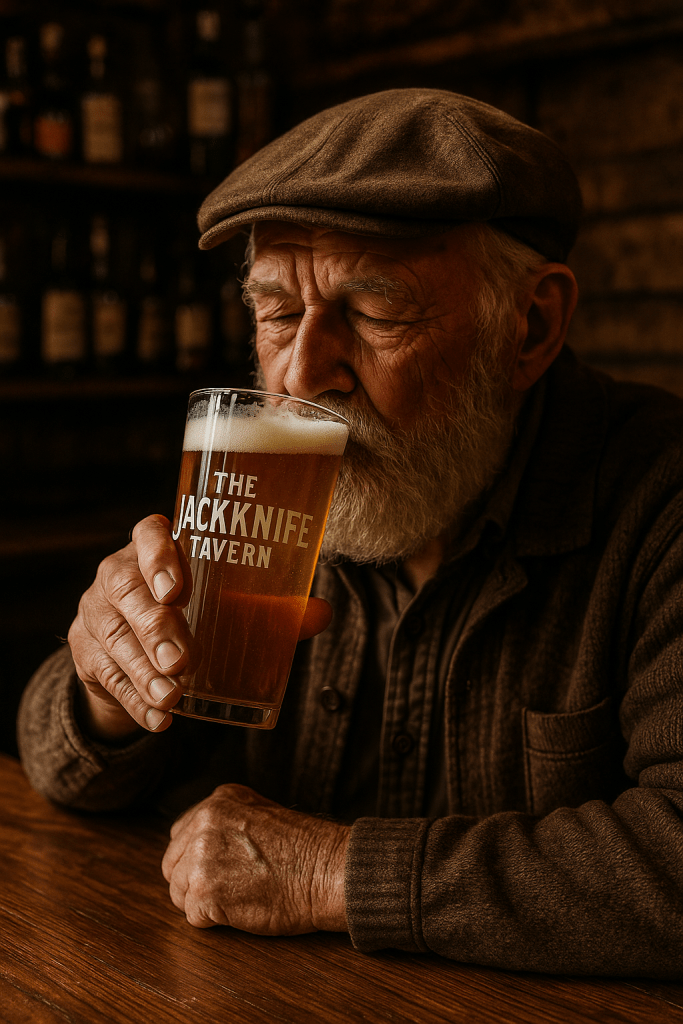
At the Jackknife Tavern sits a man, drinking his loss of love away. Beside him come and go a myriad of faces, men and women with lives sometimes down and out, perhaps sad, at times inspirational, always human. These are friends and neighbors, acquaintances, coworkers… Each with their own story to tell. The poet remains on his barstool, taking notes and creating art from life. Award-winning author and poet Braeden Michaels treats us to his eighth collection of prose poetry.

Available on Amazon! 📚


My books are available here .

Yours always, in awe and adoration,

My Beloved,

I find myself lost again in the thought of your lips—those exquisite miracles that seem less like flesh and more like a divine language written just for me. When I picture them, I see not a mouth, but a soft geography, a map of tenderness where my heart learned its compass. I could spend lifetimes tracing their shape and still never reach the end of their meaning.

Your lips are scripture, love—verses that tremble with every breath you take. I’ve stood before them in silence, like a pilgrim before the dawn, waiting for them to part, for a whisper to become prayer, for a sigh to rewrite my faith in beauty. When you speak, it’s as if petals fall from some hidden garden, and I catch them all, pressing them into memory until they bloom again in my dreams.

There is sunlight in them—some secret that gold itself envies. Even silence bends to their will, becoming music when held between the quiet edges of your mouth. I’ve seen oceans try to mimic their curve and fail; I’ve watched the moon blush, humbled by their glow. You are storm and calm all at once—two worlds meeting where your lips touch, two horizons breathing as one.

To kiss you is to taste eternity. It’s to drink from a chalice carved of longing, to drown willingly in a sea that feels like both sin and salvation. Your lips carry the ache of wanting and the promise of forgiveness. When they touch mine, the universe forgets its order—constellations scatter, and gravity itself bends to your pull.

And then, there’s your smile. That gentle, radiant unveiling—how it feels like sunrise entering my chest. When it appears, my shadows flee. When it fades, I’m left rummaging through my own heart for words grand enough to hold what I feel.

Your lips are not just beauty, my love—they are the doorway to your soul. They hold laughter, truth, and a thousand unspoken yeses. They are the red pulse of life itself, the tender wound of being alive, the rhythm of everything I adore about you.

If all art is born from longing, then you are my masterpiece, and your lips—my altar of worship. I write this not as mere admiration, but as confession: I am endlessly, helplessly undone by the miracle of your mouth.

Yours always, in awe and adoration,


My books are available here .

Every time I look up, I see you. The sky becomes your mirror, an infinite canvas painted in your likeness. The dawn blushes like your skin when the sun first kisses it, tender and slow, like the universe remembering how to love. Your beauty stretches beyond the horizon, endless, breathing, alive. The clouds drift like your thoughts, soft, mysterious, always moving, always reshaping the light that falls through them.

You are the sky when she’s calm, when the world seems held together by a quiet sigh. You are the whisper of blue between my ribs, the soft ache of wanting something too vast to hold. I find myself tracing the air the way I long to trace your spine, carefully, reverently, afraid I’ll break the silence that makes you divine.

When night falls, your beauty deepens. The stars scatter like the goosebumps on your skin when I whisper your name, and the moon turns to silver just to resemble your glow. You are the night I want to get lost in—velvet, sensual, infinite. Every flicker of starlight feels like your breath, every shadow a secret curve waiting for me to explore.

There’s something about the way the sky changes that reminds me of you. The way a storm builds—slow, electric, dangerous, beautiful. The way lightning cracks open the dark like the truth of your eyes breaking through my guarded heart. I want to stand in your storm and let it drench me, let your passion soak through every defense I’ve built. You are not gentle wind—you are the wild pulse of thunder that makes me feel alive.

Sometimes, I imagine lying beneath you, beneath your sky-body, tracing constellations across your skin with my fingertips, naming each one after the moments you’ve left me breathless. I’d call one Eclipse, for the way you darken everything else when you enter the room. Another Aurora, for the light that dances in your eyes when you laugh.

If beauty were weather, you would be every season. The sun-warmed blue of spring, the blazing fire of summer’s dusk, the melancholy gray of autumn rain, and the crystal silence of winter’s night. You move through me like the wind, unseen but unforgettable.

My love, when I say you are beautiful, I do not mean it in the small way people use the word. I mean you are the breath between worlds, the endless horizon my soul leans toward. You are the dawn I wake to and the twilight that undresses the day. You are the sky itself—ever-changing, eternal, untouchable, yet somehow, miraculously, mine for a moment.

If I could, I’d bottle every sunrise just to pour it across your skin. I’d steal every star to hang in your hair. But even the universe isn’t enough to frame you.

You are the sky and I am forever looking up.

Yours beneath the infinite,
—Always.


My books are available here .

My love,

There are nights when language collapses under the weight of you. When every word I try to write turns into a trembling pulse, and the ink itself seems to breathe your name. I sit beneath the faint hum of the lamp, thinking of your mouth, your scent, the curve of your breath when it brushes against the idea of me. You are not merely a person anymore—you are an atmosphere I enter, willingly lost, deliriously drowning.

I desire you in ways that silence cannot disguise. You move through me like a fever I’ve stopped trying to cure. Every thought becomes your echo, every moment your shadow. I dream of you in pieces—the way your neck bends when you laugh, the way your lips seem to hold secrets that would burn if spoken aloud. I imagine tracing those secrets with my tongue, word by word, until truth and pleasure are indistinguishable.

Sometimes I think of you in the quietest parts of the day, where restraint pretends to live. But even then, I am undone. The thought of your fingers—how they might travel across my skin, searching, knowing—turns the air into fire. I would let you burn me down to ash if it meant being reborn inside your breath. I would trade a thousand calm lifetimes for one storm with you.

You haunt my imagination like a beautiful sin. Every fantasy begins with you walking through the threshold of my mind, uninvited yet expected, your presence an electric omen. I want the collision, the chaos, the unholy tenderness of our undoing. I want to forget where I end and you begin—to dissolve into the rhythm of your wanting until the world itself forgets to spin.

You are the poem I cannot stop writing, the one that ruins all other verses. I crave the weight of your gaze, the gravity of your silence when it settles on me. I love you in the way a starving thing loves its first taste of rain—wild, unmeasured, desperate to consume. There is something sacred in this madness, something pure in how unholy it feels.

When I close my eyes, I see us—not in perfection, but in ache. Your body against mine, not as conquest but as confession. Every sigh a psalm, every movement a prayer against loneliness. I want to memorize you in touch, to know your skin the way the night knows secrets: intimately, endlessly, without light.

Do you feel it too, that invisible tether pulling, tightening? It’s as though the universe stitched our hunger together and dared us to survive it. My love, I don’t want to survive it. I want to live inside it, to build a home in the wild pulse between your heart and mine.

If I could, I’d press this letter to your chest and let it melt there, word by word, until it became heat. Until all that remained was the truth beneath all language: that I desire you beyond thought, beyond restraint, beyond the limits of the human tongue.

—Yours in hunger, always.


My books are available here .

Available on Amazon!

Play the link! This is a song about my book!

https://suno.com/song/35278878-1910-4b84-9c22-6191f7d52dd1


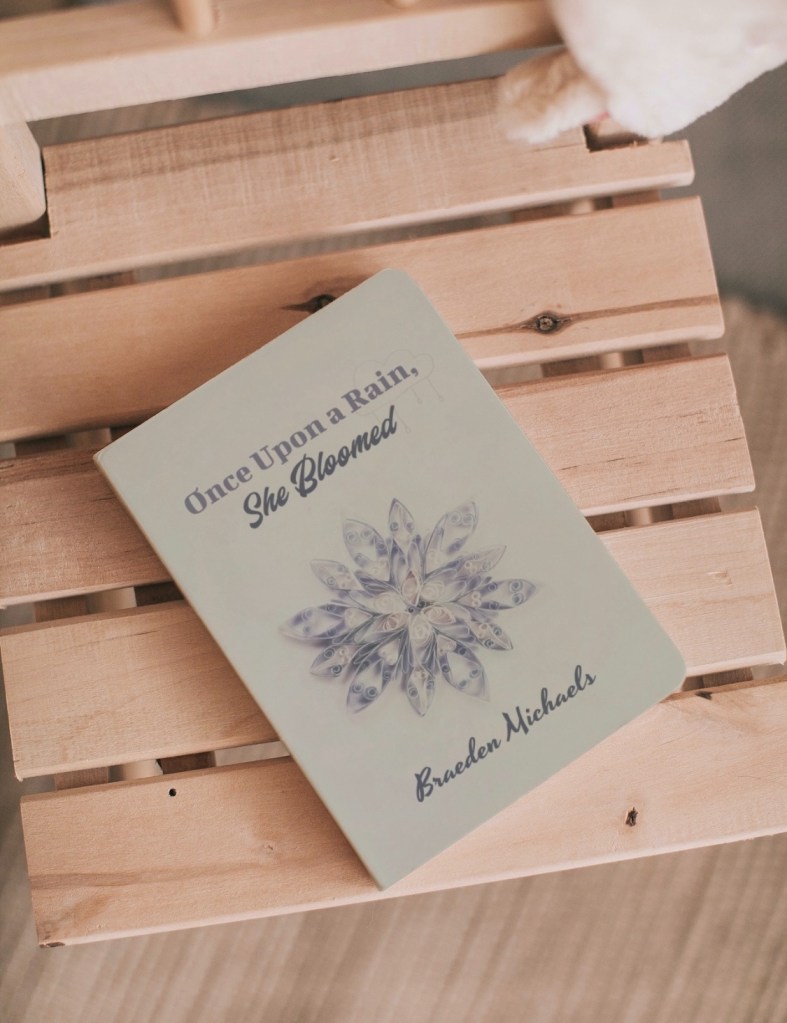
📚Once Upon A Rain, She Bloomed

Between shadows and memory, one woman’s diary elucidates relationships come and gone, those who helped shape who she is from the inside out. Turning the rain into something beautiful, the opening petals of a rose now blooming.

Veteran poet Braeden Michaels crafts his seventh collection of poetry into a mold of vision. Like pages from a twisted fairy tale, he narrates using his unique poetic style and perspective, first dissecting emotion before reconstructing and reimagining each one.


My books are available here .

Unapologetically Unashamed

I drown in my cravings, flames from your lips, and the desires from your tongue. I glare at my weaknesses with swollen tears. I hunger something that my emptiness won’t ever touch. I grip on to my fascinations and urges with insomniac eyes. I carry my loneliness on my sleeve and unapologetically unashamed for wanting your luscious skin.

The circle of my friendships get smaller, I make my myself distant the closer I get. I promise you, you will wish we never met. The hello’s will turn into goodbyes, I will make sure you can’t see the rain from my eyes. I will share more truths and you will want to run. Don’t be surprised of the person I will become.

I sink in my yearnings, scattered fantasies and the desolation inside. I dwell in my painted circles, faded memories and the opaque skies that leave me stranded in the bitterness. I am slightly disconnected, partially detached, and withdrawn from the cracks I wish not to see. I displace the stained hindrances and sanguine complaints within my state of consciousness.
I am unapologetically unashamed for longing for your sentimental touch.

The circle of my friendships get smaller, I tend to make others uncomfortable with the things I shouldn’t say. I promise you, I will belong in your past and know you won’t stay. I expect no response and the late replies. I will make sure you won’t see the pain in my fragile eyes. I will be more open and will tell you how I feel. In the end, we will find out who was real.


My books are available here .
Invigorating Sigh

Tease me with a scent of a captivating concoction
Tease me with a crescendo of exhilarating moans
breathe in the closeness, breathe out the chill

Tease me with sweetness dripping from your wounds
Tease me with a heartfelt dance under our silver moon
breathe in the hello’s, breathe out the spasm

Tease me with laughter from your winter storm
Tease me with soft kisses falling on your pillow
breathe in the sentiments, breathe out the fears

Tease me with a passage from your bone cold diary
Tease me with a sizzling greeting under an oak tree
breathe in the beginning, breathe out the endings

Tease me with a dream of memories and cozy rain
Tease me with a clenching oblivion and devotion
breathe in the naked sighs, breathe out the fragility


My books are available here .
Prologue to my new book coming out soon!

Jackknife Tavern

11:32am, situated on the corner of James Madison Boulevard and Whitman Street. I am sipping emptiness on the rocks in the scowling part of town, Jackknife Tavern. I’m sulking in the chestnut colored booth throwing darts at the bombastic God I use to love. I continue to taste the kisses of my skeptical past and shake hands with the skeleton of my future. I raise my clenched fist, “Hey brother, can you pour me another? If it’s not any trouble, make it a double.”

A Marylin Chambers look a like tapped me on the shoulders with an indecent proposal. I shook my head with a chuckle and a sleazy grin. “This isn’t a joke, I can only pay by the minutes or the number of strokes.” She disappeared like a magician with the smell of her perfume turning into an aphrodisiac. I swallow loneliness like an amber ale. Isolation is my best friend without a voice. I tend to make a midnight rendezvous with yours truly but my left hand shouts “I’m quite over zealous” and the right hand whimpers “I’m quite jealous.” I only tend to acquire sparks with jumper cables.

Between noontide and the teardrops of the moon, the carnival weaved in and out of the cavern. The hooligans are tap dancing next to the jukebox, the husbands are window shopping, the cut throat whistle stoppers are juggling negotiations and plastic speeches. The jamboree was full of exaggeration, plagiarism, copycats, and satan’s storytellers. I could hear them drinking the tears more than the alcohol.

2:35pm, the regulars and bystanders strolled in with folktales dripping grief. Cigarette smoke reeked of melancholy and satire. The ambiance was filled with extravagant bar tabs, sobbing cliffhangers, romantic comedies with the mourning saxophone playing in your left ear. If you listen close, the excuses and irritation can be heard in your right ear. A pint of desolation will taste sweet and a shot of despair will run down your throat faster than a horse at the Kentucky derby. It’s a relief and a head scratcher that we call it happy hour.

5:45pm, the eyes are dry and my stomach grumbled. The gin mill is as empty as my crooning soul. I can never make out the lyrics but I get goosebumps when I hear the sorrowful piano. Harper Guthrie struts in with his graveyard black t-shirt with the phrase “You can get this body for $19.95 for one hour, but if you act now I will make you as happy as a sunflower” printed on the front. Harper is jammed with acidic antidotes but will sell you antidepressants, antibiotics, and antisemitism.He talks with his wandering hands and pleads innocent until proven guilty. He will boast about his latest purchases, meaningless job title, and the abundant cash flow problem. He serenades to the audience that he drinks to happiness. Unfortunately, he’s been charged with terrible humor and convicted of lying to himself.

7:15pm, Jackson Bryant fumbles in with his auburn acoustic guitar. He glances at the minimal crowd from the undersized stage and begins to strum. Out comes a raspy but yet a smooth sound “You can find me in the dark trying to grip the wind, you can find me feeling lost not knowing where to begin, you can shout from the depths of your lungs, you can point your fingers at me and forget the person you’ve become.” Heads turn and faces become pale as if they seen a reflection of themselves. The song ends with the spectators clapping their hands rapidly and shouting out his name. He continued to play his set as the crowd was quite allured by his presence.

As the night begin to fade, the exchange had less of a bounce. Solitude was a fog prancing in front of our bloodshot pupils. I wrote “Goodbye, Goodnight” on a vanilla napkin and handed it to the gargoyle next to me. It was time for me to face the chorus in a song I didn’t want to play. Thirty five years ago on this melodic day, I married a ballerina that is still spinning on her tip toes of my crippled heart. The King of kings took my queen away. She was plagued with a disease that had no cure. I’m done praying to a God that doesn’t listen. All I know how to do is to fill up my glass with destitution to try to take away the overwhelming misery.


My books are available here .

Except from “Unpaved Crossroads”

I’ve been in love with the nectar and the sour drippings of you
I’ve been captured by the glaze of your caress
I’ve been in awe by the comfort and the shivers of your embrace
I’ve been enamored by the never ending kisses and the affection
I’ve been mesmerized by the sparkle dancing in your midnight eyes

And the love with you is breathtaking
And the love with you is indescribable
And the love with you is remarkable
And the love with you has opened me up

After so many years
I wouldn’t have changed a second

I’ve been in love with the honey and the radiant treasures of you
I’ve been enchanted by your words and glamorous skin
I’ve been aching for the centerpiece to wake me up and feel alive
I’ve been daydreaming of an endless love
I’ve been intoxicated by the shimmering light twinkling in your soul

And the love with you is breathtaking
And the love with you is indescribable
And the love with you is remarkable
And the love with you has opened me up

After so many years
I wouldn’t have changed a minute


My books are available here .